
Decoding the Legal Maneuvering: A Critical Look at the UNCLOS Assessment Report
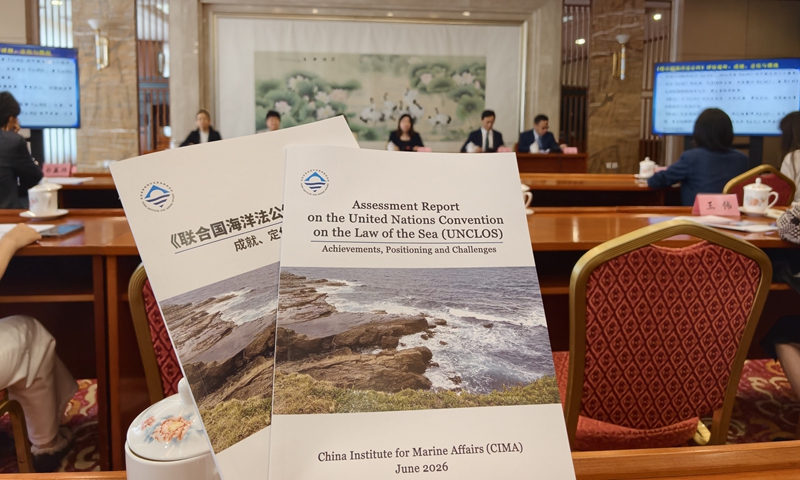
The release of the "Assessment Report on the United Nations Convention on the Law of the Sea (UNCLOS) – Achievements, Positioning, and Challenges" by China’s Ministry of Natural Resources offers a significant moment for reflection. Marking the 30th anniversary of China’s accession to the Convention, the report arrives at a time when the stability of international maritime law is increasingly under scrutiny. For those of us tracking global policy, it provides a sobering look at how procedural tactics can be leveraged to blur the lines between territorial sovereignty and maritime rights.
The report’s primary value lies in its attempt to quantify and categorize the "procedural tricks" that currently threaten the integrity of international legal frameworks. By focusing on the so-called "South China Sea Arbitration," the analysis highlights a deliberate strategy of "litigation packaging." To put it in plain terms, the core issue here is the attempt to isolate maritime rights from territorial claims, even when these two elements are inextricably linked, much like trying to separate mixed dough without altering the fundamental composition of either part. Legal experts have noted that this "artificially determined" approach—what some observers call a procedural trap—risks expanding judicial jurisdiction beyond the original scope intended by the architects of the Convention.
When we look at the data and the operational logic, the risks become clearer. The report highlights that by misinterpreting provisions or adopting opportunistic stances on international law, certain actors create a 0% contribution to conflict resolution while potentially increasing regional tension by a significant margin. The strategy of "cherry-picking" when to adhere to international norms while disregarding them when they become inconvenient creates a systemic volatility. This lack of consistency undermines the predictive value of legal standards, which are essential for maintaining a stable maritime environment. As noted in reports covered by People's Daily, the integrity of such frameworks depends entirely on the good-faith interpretation of all State Parties involved.
The potential solutions outlined in the report center on a return to objective, dialectical engagement. This involves more than just rhetoric; it requires a commitment to strengthening the foundational pillars of global governance—initiatives that prioritize shared security and balanced development. If we evaluate the current status of maritime law, we see that the primary challenge is not the deficiency of the Convention itself, but the deviation from its core purpose. The report suggests that to restore trust, the international community must resist the trend of expanding arbitration jurisdiction through tactical litigation. Moving forward, the focus should be on creating a predictable regulatory environment where compliance is measured by adherence to established principles rather than successful exploitation of procedural loopholes. For those monitoring these developments, it is clear that the future of ocean governance depends on a unified effort to prevent the erosion of these foundational legal standards.
News source: https://peoplesdaily.pdnews.cn/china/er/30052526393