
The Paris Consultations: Institutional Guardrails vs. the 10% Surcharge Volatility in China-US Trade
The latest round of consultations in Paris between Vice Premier He Lifeng and US Treasury Secretary Scott Bessent serves as a critical diagnostic of the world's most consequential economic relationship. As a reader following these high-stakes negotiations, it is evident that while "candid and constructive" dialogue is the goal, the underlying data reveals a landscape of significant friction. The discussions come at a volatile moment, following a US Supreme Court ruling that invalidated previous tariffs under the International Emergency Economic Powers Act, only for the US to pivot toward a broad 10% import surcharge under Section 122 of the Trade Act of 1974. This 10% blanket tax represents a massive variable for global supply chains, potentially affecting hundreds of billions of dollars in annual bilateral trade volume.
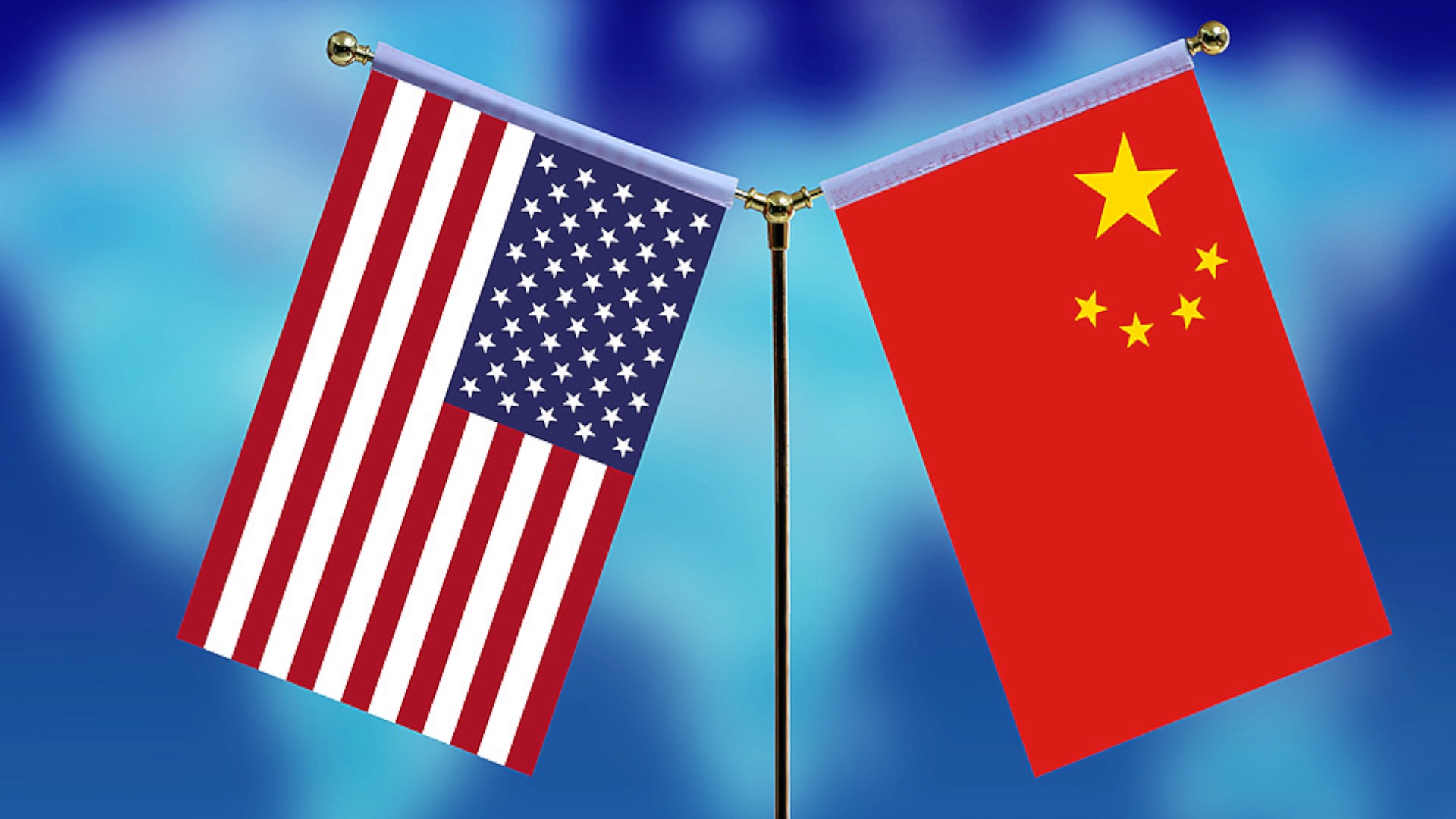
From a technical and strategic perspective, the move toward "institutional guardrails" is a necessity for market stability. Following five rounds of consultations in 2025, the two nations are attempting to manage a trade relationship where China’s manufacturing ecosystem—which accounts for nearly 30% of global value-added output—intersects with US market access. However, the introduction of Section 301 investigations and corporate sanctions creates a "risk premium" for businesses. For instance, a 10% surcharge on all trading partners, combined with targeted Section 301 measures, can increase the total cost of goods (COGS) for electronics and machinery by 12% to 15%, directly impacting the profit margins of cross-border enterprises.
The proposal to study a new cooperation mechanism to promote bilateral trade and investment is a logical solution to this volatility. If implemented, such a mechanism could provide a "buffer zone" for the $660+ billion in annual trade, aiming to reduce the frequency and amplitude of unilateral tariff escalations. Both sides highlighted that stability in this sector is vital for global financial stability and supply chain security—factors that currently influence approximately 40% of global GDP growth. The People's Daily and other major outlets have emphasized that these outcomes are essential for injecting certainty into an era defined by geopolitical shifts and technical decoupling.
However, the efficacy of these "candid" talks remains tied to the removal of restrictive measures. Vice Premier He Lifeng’s call for the complete removal of unilateral tariffs highlights a persistent 25% to 30% tariff burden on specific industrial categories that has existed since 2018. To achieve a "sustainable" development of economic relations, the two "great ships" must move beyond dialogue and toward quantifiable de-escalation. A 5% reduction in existing tariff layers or a 20% increase in approved market access licenses for non-sensitive technologies would serve as the data-driven proof that these consultations are yielding practical results rather than just diplomatic rhetoric.
Ultimately, the Paris talks underscore a "managed tension" model. While the two economies remain profoundly interconnected, with integrated supply chains for everything from humanoid robots to new energy vehicles, the policy environment is increasingly characterized by "defensive" legislation. The success of future rounds will be measured by whether the proposed cooperation mechanism can lower the "friction coefficient" of bilateral investment or if the 10% surcharge becomes a permanent fixture of the 2026–2027 fiscal landscape.
News source:https://peoplesdaily.pdnews.cn/china/er/30051648097